Report On One-Day Workshop On “How To Write Research Paper”
Organised by: Research Cell
In Association with: IQAC
Resource Persons: Dr. Meena Mashru and Dr. Reshma Vaja
Date: 30th July 2026
Theme: Research Paper Writing, Research Methodology, Research Tools, AI Tools, Citation and Plagiarism Awareness
Objectives
- To develop research-writing skillsamong faculty members by providing practical guidance on selecting research topics, identifying research gaps, framing objectives, conducting literature reviews, and preparing a well-structured research paper.
- To familiarise participants with research methodology and toolsused for data collection, analysis, interpretation, and presentation of research findings.
- To introduce AI and digital research toolsthat can support literature review, academic writing, reference management, citation, and other stages of the research process.
- To create awareness about citation, referencing and plagiarism, and to guide participants in maintaining originality, academic integrity, and ethical standards in research.
- To orient students of SY and TY B.Com, BMS and B.Sc. ITon the systematic preparation of research papers, field projects, and Community Engagement Projects as prescribed in their curriculum.
- To encourage a research-oriented cultureamong faculty and students by developing confidence and interest in undertaking quality, ethical and field-based research.
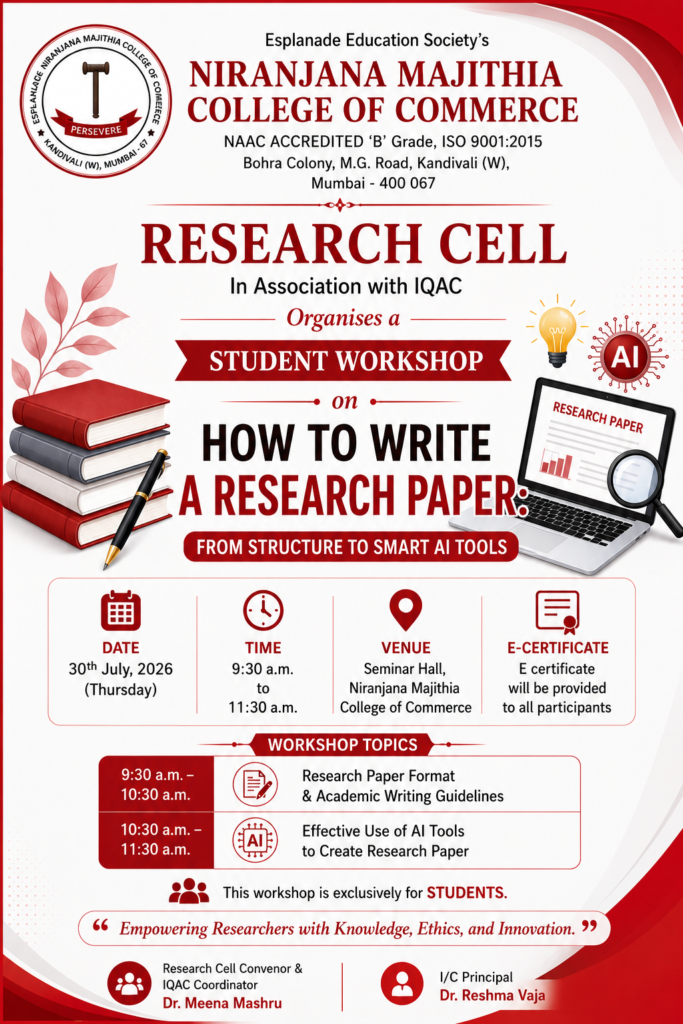
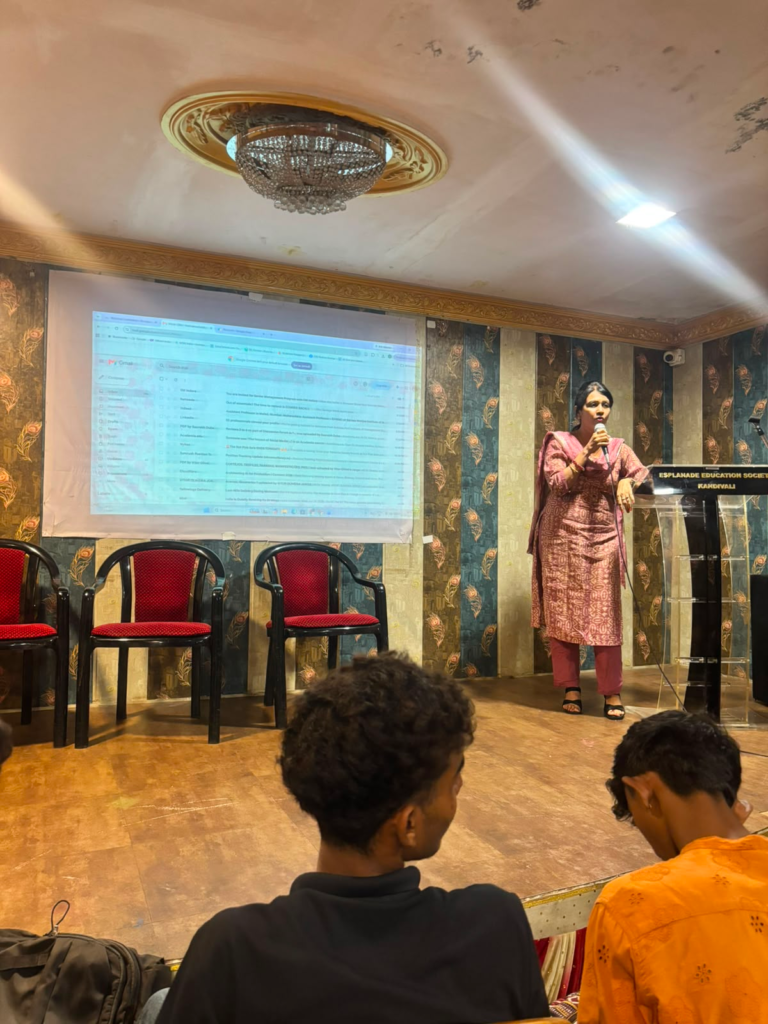
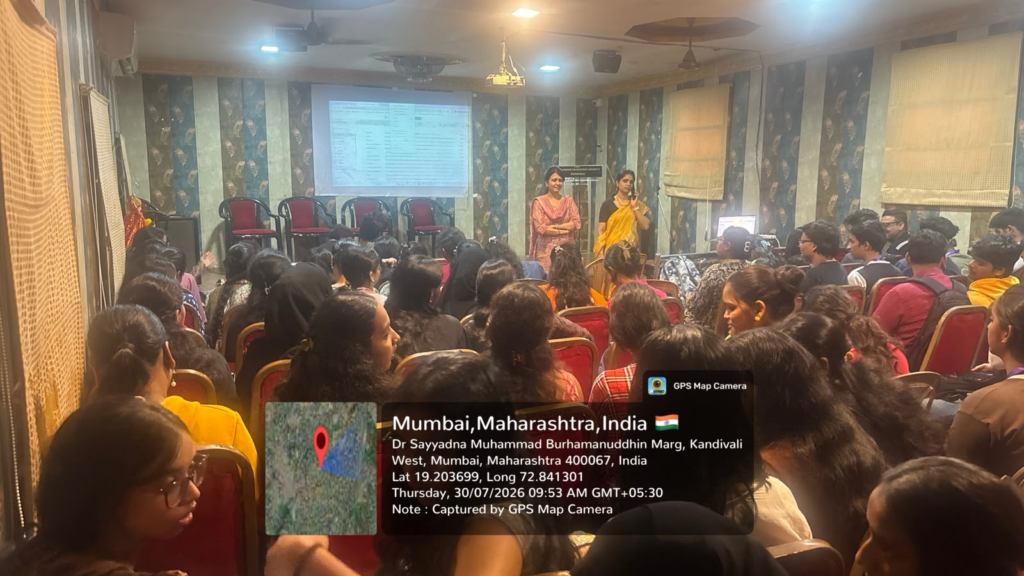
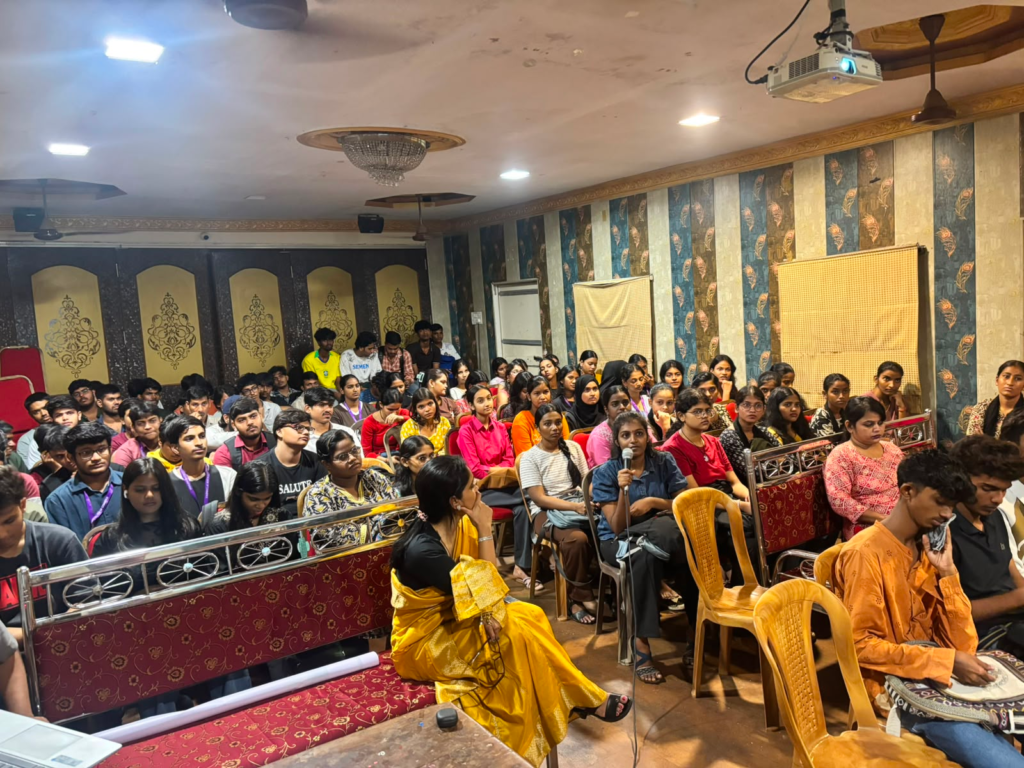
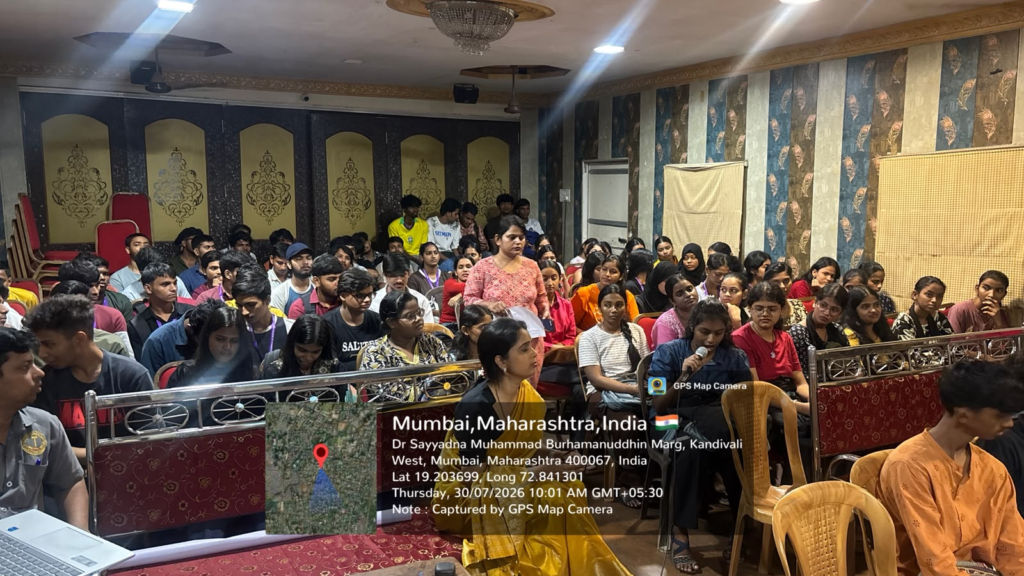
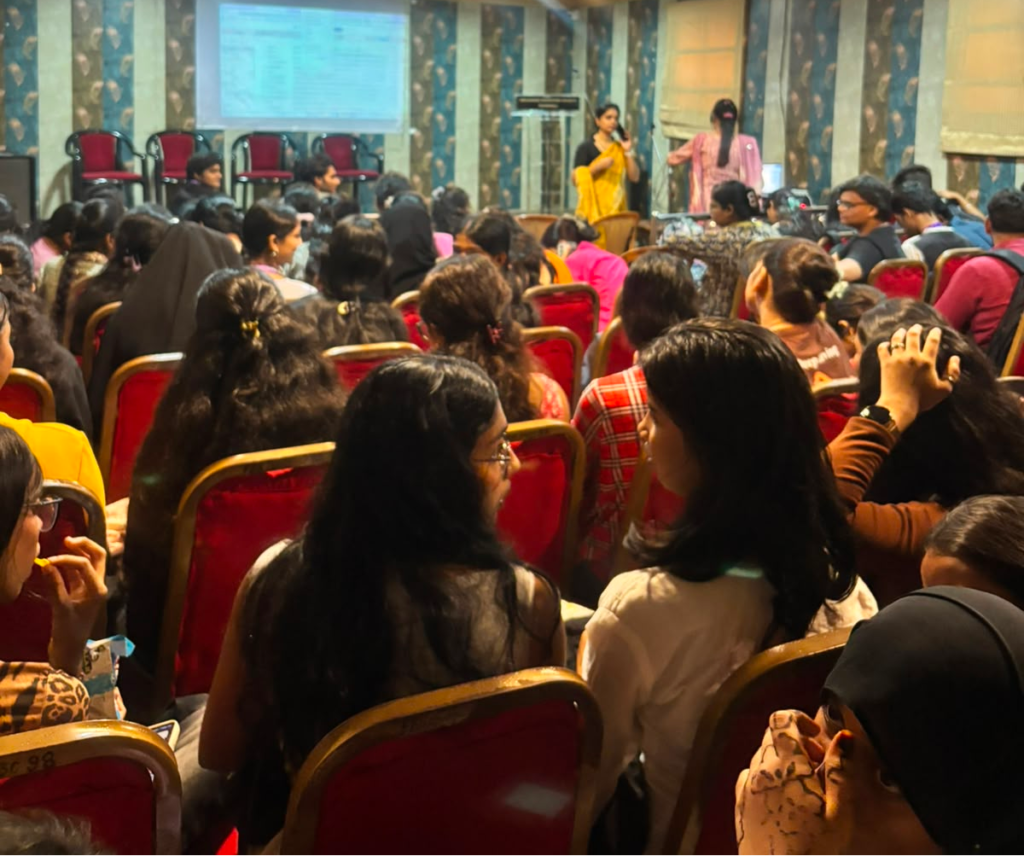
The Research Cell of Niranjana Majithia College of Commerce, in association with the Internal Quality Assurance Cell (IQAC), organised a Student Workshop on “How to Write a Research Paper – From Structure to Smart AI Tools” on 30th July 2026 (Thursday) from 9:30 a.m. to 11:30 a.m. at the Seminar Hall, Niranjana Majithia College of Commerce. The workshop was exclusively organised for students with the aim of developing research skills and creating awareness about the systematic preparation of research papers. The programme was conducted under the guidance of Dr. Meena Mashru, Research Cell Convenor & IQAC Coordinator, and Dr. Reshma Vaja, I/C Principal.
The workshop focused on developing students’ understanding of the structure and format of a research paper and academic writing guidelines. The participants were guided on how to select an appropriate research topic, identify a research problem, formulate research objectives and research questions, conduct a literature review, identify a research gap and prepare a systematic research paper. The importance of presenting information in a logical and structured manner, maintaining academic standards and supporting research findings with appropriate sources was also explained to the students.
The first session, conducted from 9:30 a.m. to 10:30 a.m., focused on Research Paper Format and Academic Writing Guidelines. Students were introduced to the major components of a research paper, including the title, introduction, objectives, review of literature, research methodology, data collection, analysis and interpretation, findings, conclusion, suggestions and references. The session helped students understand the appropriate sequence and presentation of various sections while preparing their research work.
The second session, conducted from 10:30 a.m. to 11:30 a.m., focused on the Effective Use of AI Tools to Create a Research Paper. Students were introduced to the use of modern AI and digital tools that can support different stages of the research process, including topic exploration, literature searching, organising information, improving academic writing and assisting with citations and references. The students were also made aware that AI tools should be used responsibly as supporting tools and that information generated through AI must be verified before being incorporated into academic work.
The workshop also created awareness among students about citation, referencing and plagiarism. Students were explained the importance of giving proper credit to original authors and sources used in their research. Guidance was provided on maintaining originality in academic writing and avoiding plagiarism. The importance of academic integrity, ethical research practices and responsible use of AI tools was emphasised throughout the session.
The workshop was particularly useful for SY and TY students of B.Com, BMS and B.Sc. IT, as research projects, field projects and Community Engagement Projects form an important part of their academic curriculum. Students were oriented on how to plan and execute their projects systematically, including selection of a suitable topic, formulation of objectives, preparation of questionnaires, collection of primary and secondary data, conducting field visits and interviews, analysing data, presenting findings and preparing the final project report.
The workshop successfully enhanced students’ awareness of the research process, research paper structure, academic writing, research tools, AI tools, citation and plagiarism prevention. Students gained practical knowledge and greater confidence in preparing their research papers and academic projects. The programme also encouraged students to undertake field-based and research-oriented projects with greater originality, accuracy and academic integrity.
Overall, the Student Workshop on “How to Write a Research Paper – From Structure to Smart AI Tools” was an informative and skill-oriented initiative of the Research Cell in association with IQAC. The workshop helped students understand the fundamentals of research paper writing and introduced them to the responsible use of modern AI tools. The programme contributed towards strengthening research aptitude among students and promoting a culture of knowledge, ethics and innovation within the institution.
Outcomes
- Faculty members gained a better understanding of the research processand the essential components required for writing and presenting a quality research paper.
- Participants became familiar with various research, AI and digital toolsthat can assist in literature review, academic writing, citation, referencing, data analysis and research documentation.
- Participants developed awareness of proper citation and referencing practicesand learned the importance of checking and avoiding plagiarism while maintaining originality in academic work.
- Students gained practical knowledge of preparing research and field projects, including topic selection, formulation of objectives, questionnaire preparation, data collection, analysis and interpretation.
- Students developed greater confidence in undertaking Community Engagement Projects and research projects, particularly through field visits, surveys, interviews and interaction with respondents.
- The programme strengthened the research culture of the institutionby encouraging faculty and students to undertake systematic, ethical and technology-supported research and improve the quality of their academic work.